
BJJ vs Judo: Which Is Better for Self-Defense?
Table of Contents
1. What Is Brazilian Jiu-Jitsu?
2. What Is Judo?
3. BJJ for Self-Defense: Where It Shines
4. Judo for Self-Defense: Where It Shines
5. BJJ vs Judo: A Direct Comparison
6. Which Is Better for Real-World Self-Defense?
7. Why Gear Quality Matters in Grappling Training
8. Should You Train BJJ, Judo, or Both?
9. Final Thoughts
A stranger grabs your wrist. A fight breaks out in a crowded place. Someone bigger and stronger backs you into a corner. In moments like these, what you trained matters far more than how hard you hit. The question is, did you train the right thing?
Brazilian Jiu-Jitsu (BJJ) and Judo are two of the most respected grappling arts in the world. Both are tested in real combat. Both have a long track record of producing capable fighters. But when it comes to a real street fight or a sudden self-defense situation, which one gives you the better edge?
Elite Sports, the best BJJ gis and rash guards manufacturer trusted by grapplers across the world, has long been at the center of this community. Athletes who train hard know that the right gear matters, and so does the right art.
Continue reading this article to learn how BJJ and Judo compare for self-defense, where each art excels, where it falls short, and which one is the smarter pick for real-world safety.
1. What Is Brazilian Jiu-Jitsu?
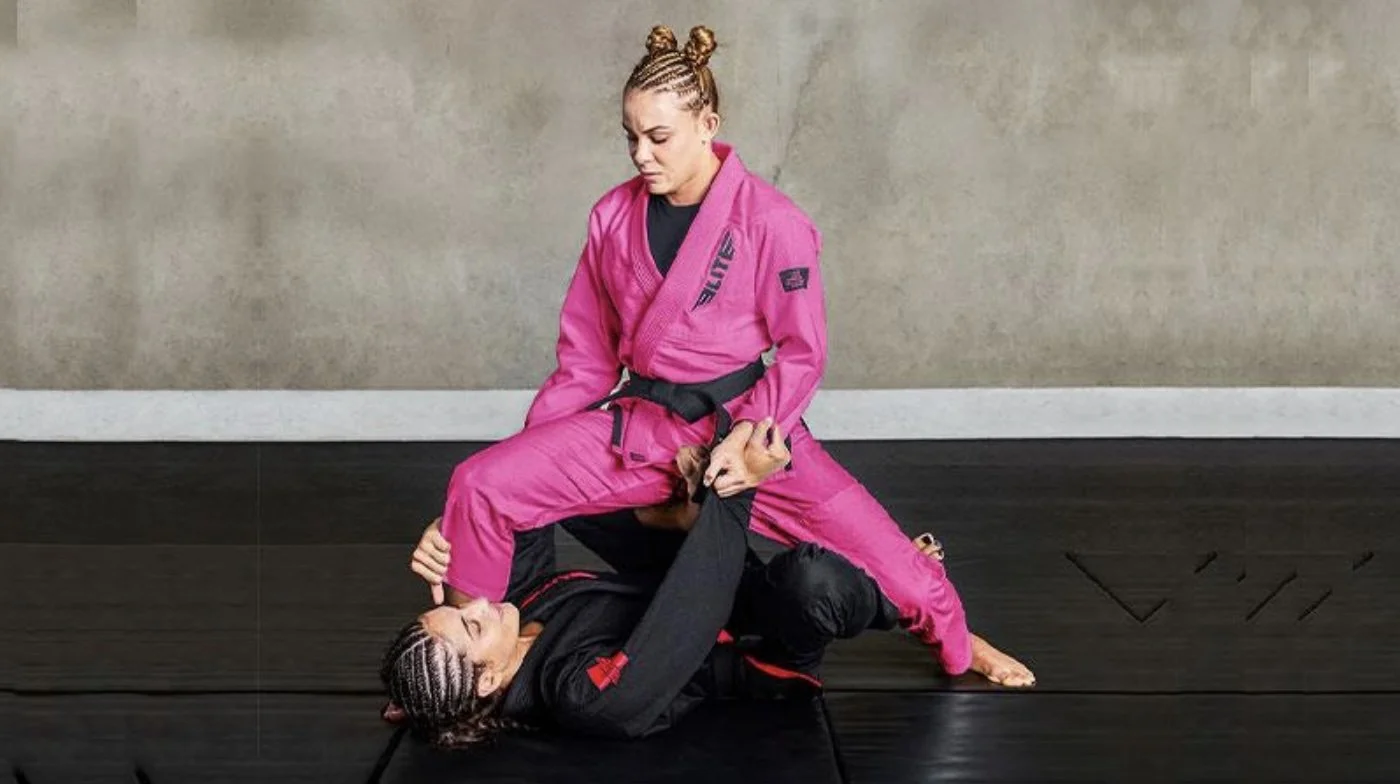
BJJ is a ground-based martial art and combat sport that grew out of Japanese Judo and was shaped in Brazil by the Gracie family. At its core, BJJ teaches how to take a fight to the ground, control a bigger or stronger opponent, and finish it with joint locks and chokes.
BJJ puts heavy focus on sparring, called "rolling", which means students get used to real resistance from day one. This live training environment is one of BJJ's greatest strengths. You don't just learn moves in theory. You test them against a fully resisting partner.
2. What Is Judo?
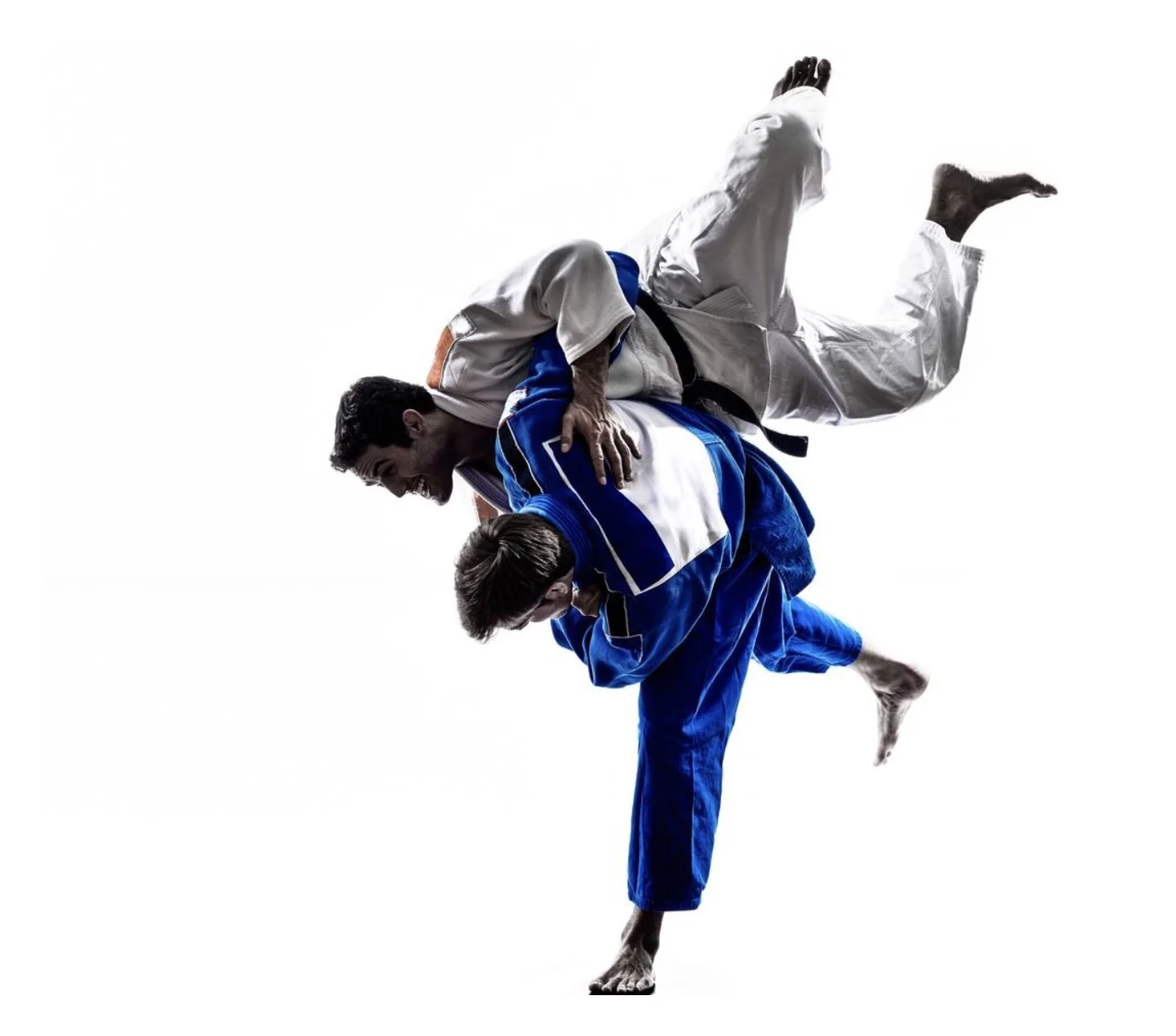
Judo is a Japanese martial art and Olympic sport built around throws and takedowns. The goal is to use your opponent's force and balance against them, to throw them hard to the ground. Judo also includes groundwork, called "ne-waza," which covers pins, chokes, and armlocks. However, in modern Judo competition, groundwork is limited and often stopped quickly.
Judo's throws, when done right, are explosive and brutal. A clean Judo throw can end a fight in one second, especially on hard pavement, where a fall is far more dangerous than on a mat.
3. BJJ for Self-Defense: Where It Shines
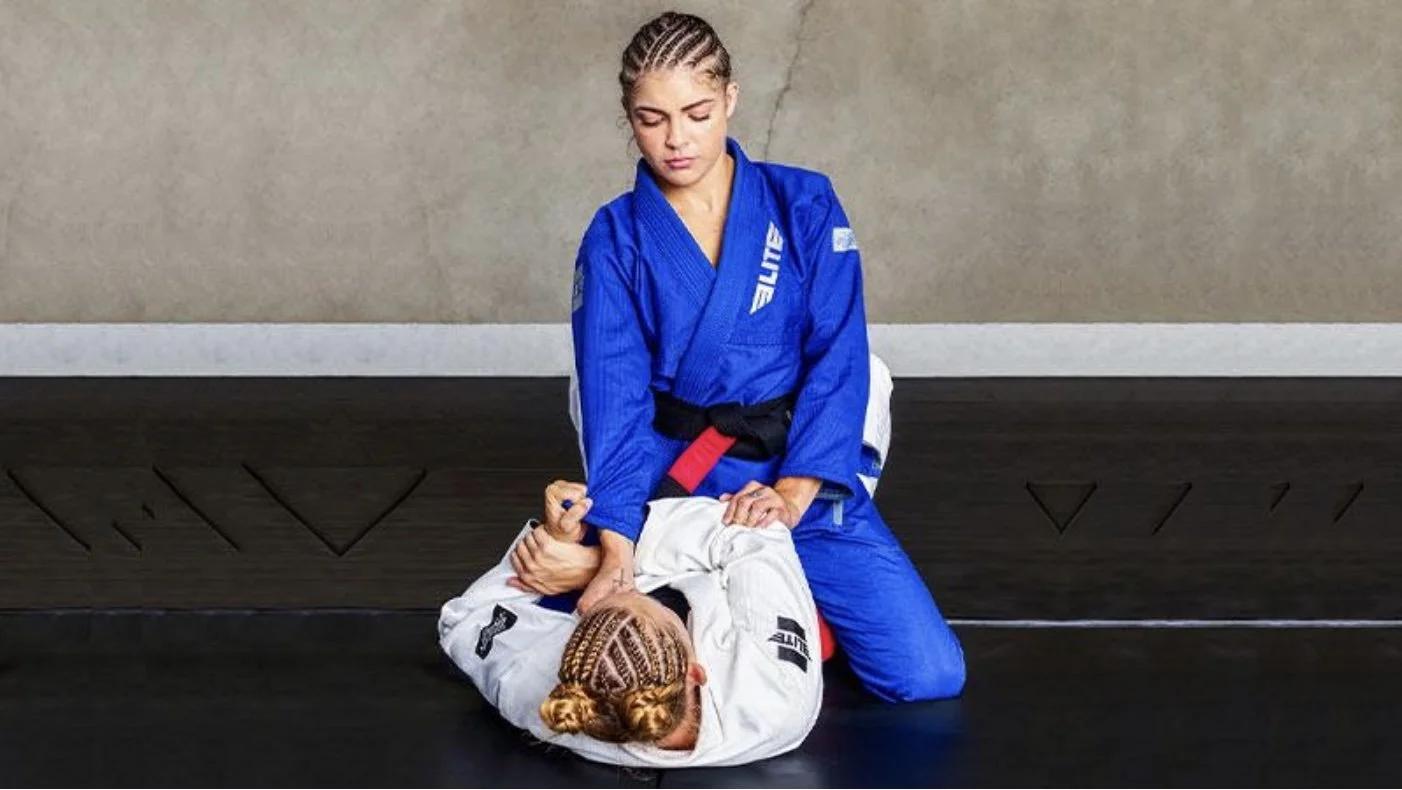
BJJ is widely regarded as one of the best tools for self-defense in a one-on-one situation. Here is why:
Ground control is king in real fights. Studies show that the vast majority of street fights end up on the ground. BJJ practitioners are trained for exactly this. Once on the ground, a BJJ-trained person can control, neutralize, and submit an untrained attacker, even one who is bigger and stronger.
Chokes are fast and reliable. A rear-naked choke or a triangle choke does not depend on the attacker feeling pain. It cuts blood flow to the brain. An untrained person who gets choked will go out in seconds, no matter how tough they are.
Live sparring builds real skills. Because BJJ students roll hard every class, they develop a feel for real resistance. The skills are tested under pressure, not just drilled in the air.
No striker needed. BJJ does not ask you to punch or kick. For people who are not natural strikers or those in close quarters, this is a major benefit.
The limitation: BJJ's biggest gap in self-defense is the standup game. Most BJJ training begins from the knees or assumes you are already on the ground. Against multiple attackers, staying on the ground is dangerous. And pulling guard in a parking lot full of broken glass is a very different thing from doing it on a soft mat.
4. Judo for Self-Defense: Where It Shines
Judo's core strength lies in its ability to neutralize a threat before it escalates.
Throws work on concrete. A hard Judo throw onto pavement, like an Ippon Seoi Nage or O Goshi, can end a confrontation instantly. On the street, a throw is far more dangerous than in a gym. What stops a fight in a dojo can be life-altering on hard ground.
Takedown defense is built in. Judo training builds a strong sense of balance and reaction. Judokas are hard to take down because they are trained to resist grips and maintain posture.
Clinch control. Real fights often start in the clinch, with grabbing, pushing, and shoving. Judo trains this range heavily. Getting control of someone's collar and sleeve and breaking their posture is second nature for a trained Judoka.
Standing self-defense is refined. You do not have to go to the ground to use Judo. A throw that leaves the attacker stunned while you stay on your feet is often the cleaner self-defense outcome.
The limitation: In modern Judo, groundwork is limited in both training and competition. Leg grabs are also banned in Olympic Judo, which creates gaps in takedown defense. If the fight goes to the ground and the attacker keeps fighting, a Judo-focused fighter may not have the same depth of ground finishing skills as a BJJ fighter.
5. BJJ vs Judo: A Direct Comparison
FACTOR
Ground fighting
Takedowns/Throws
Clinch control
Finishing techniques
Live Sparring
Working on hard surfaces
Multiple attackers
One-on-one control
BJJ
Excellent
Limited
Moderate
Strong (chokes, locks)
Very high
Risky if taken down
Weaker
Excellent
JUDO
Moderate
Excellent
Excellent
Moderate (pins, limited locks
High
Very effective
Stronger
Good
6. Which Is Better for Real-World Self-Defense?
Here is the honest answer: neither art alone is complete. But if forced to pick one, the edge goes to BJJ, with one major caveat.
BJJ's depth of ground control, the volume of live sparring, and the reliability of chokes and joint locks make it the more complete self-defense system in a one-on-one setting. The Gracie family built Gracie Jiu-Jitsu specifically for self-defense, and that DNA remains in the art today. The ability to neutralize a bigger, stronger attacker without needing to strike is a powerful tool.
However, the ideal self-defense practitioner trains both. Judo handles the standup. BJJ handles the ground. Together, they cover the full range of what a real fight looks like, from the first shove to the final control.
Elite Sports, the best BJJ gear producer in the game, equips athletes at every level to train harder and longer. When the training is serious, the gear needs to match. Elite's women's BJJ Gis are built with the same professional-grade standards as the rest of the lineup, durable, IBJJF-legal, and made to handle real training loads, not just casual wear.
7. Why Gear Quality Matters in Grappling Training
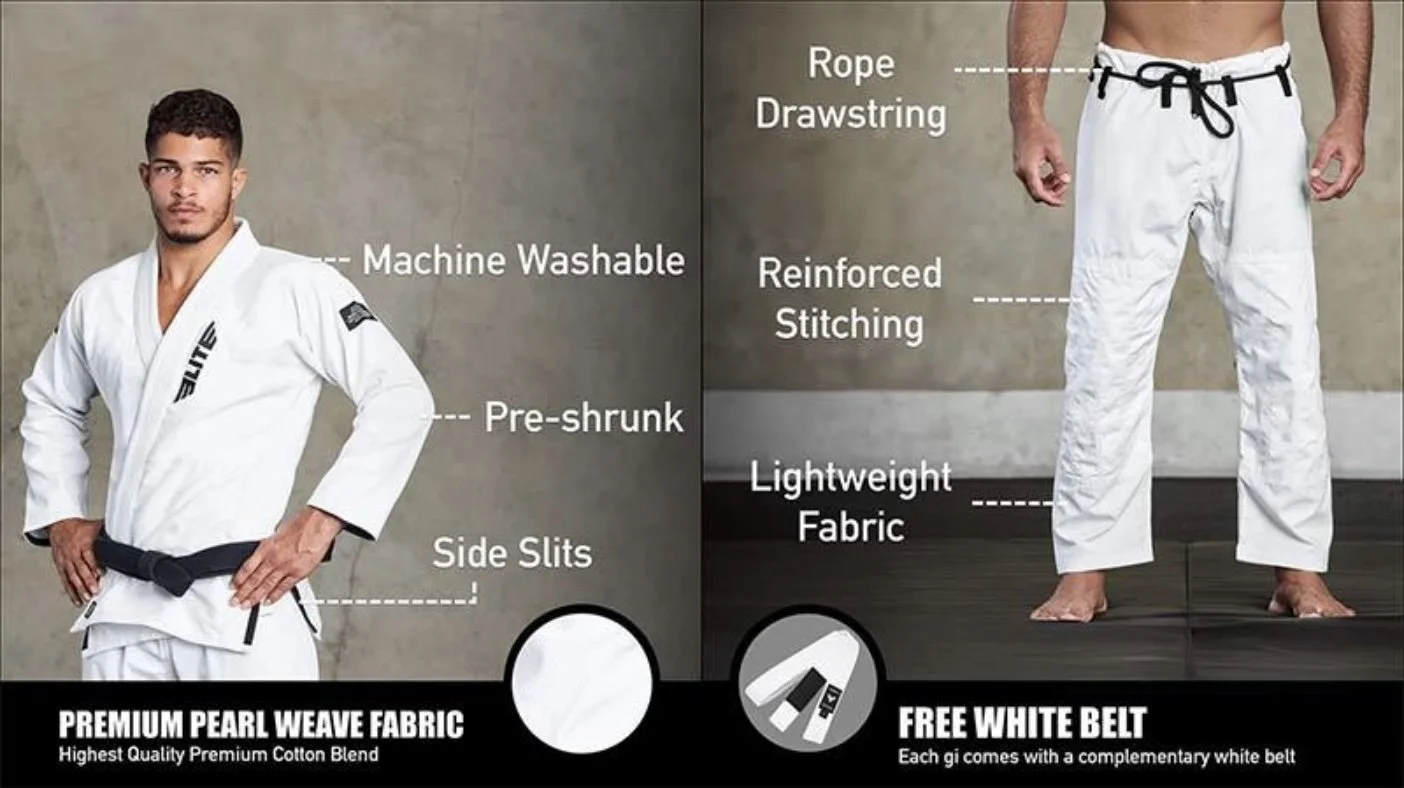
This point does not get enough attention: the quality of training gear directly affects how long and how well a student can train. A gi that tears after a month of hard rolling is not just a waste; it breaks training routines. A rash guard that loses its shape under heat and friction is a problem every roll.
Elite Sports has built its name on durability and performance. The brand's BJJ gis and rash guards are designed for athletes who train consistently and hard. Every stitch, every cut, and every panel in an Elite gi is made to hold up under the pressure of real grappling. For families, the kids' line brings that same standard to younger athletes, built tough, sized right, and ready for the mat.
8. Should You Train BJJ, Judo, or Both?
For self-defense, here is a simple guide:
Choose BJJ if the primary goal is ground control, submissions, and one-on-one defense against larger attackers.
Choose Judo if you prefer stand-up, throws, and staying on your feet during a confrontation.
Train both if the goal is a complete, well-rounded self-defense skill set.
Many top-level BJJ athletes cross-train in Judo specifically to fix their takedown game. And many Judoka add BJJ to sharpen their ground work. The two arts complement each other better than almost any other pair of martial arts.
9. Final Thoughts
BJJ and Judo are both world-class arts. Both have real, proven value in self-defense. BJJ wins on the ground. Judo wins on the feet. In the real world, fights happen on both levels, often in the same five seconds.
The best thing any self-defense student can do is train consistently, train with resistance, and train in gear that does not slow them down. Elite Sports, the best BJJ gi and rash guard maker trusted by thousands of serious grapplers, makes that part easy. From the gi on the back to the rash guard underneath, Elite gear is built for those who take their training seriously.
Because when a real moment comes, the mat is where it was decided, long before the threat ever appeared.